Rating: 7.4/10.
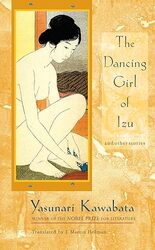
Collection of short stories by a young Kawabata when he was writing some of his earliest works. The first one is the most famous about first love and romance, and the next few get quite bleak about death and mortality that the author experienced as a child and I gave up reading about halfway through.
The Dancing Girl of Izu is the first story: the narrator is 19 years old and lonely, and traveling through Izu Peninsula and meets an itinerant entertainer troupe, and his attention is caught by a young girl who he thinks is 17 or so and tries to get to know her and make contact with her. But at some point, when she comes running naked out of her bath, he realizes that she is just a child, only 14 years old, and realizes what a mistake he was making and that the group was a family trying to entertain and make some money. It ends in a bittersweet way where he has to go back to Tokyo for his studies and leaves the group behind.
Diary of My 16th Year is an autobiographical diary about a teenager taking care of his dying grandfather and the day-to-day menial tasks he has to do, like feeding him and helping him urinate, and listening to him becoming more and more incoherent and dealing with other caretakers in the final weeks of his life. It is ostensibly written when he was a teenager, and notes that a diary was found later when he was 25 or so and edited for publication, and he then reminisces how the emotions from a decade ago feel so unfamiliar now.
Oil is a short one about the author’s childhood when his parents died when he was so young that he has no memory of them except that while watching over the deathbed through the night, he remembers the scent of the oil light and associates the scent with death and mortality and is unable to eat anything with oil. After some time, he finds himself able to eat oil again, which symbolizes acceptance.